Process
Status Items Output None Questions None Claims None Highlights Done See section below
Highlights
id589670896
id589670864
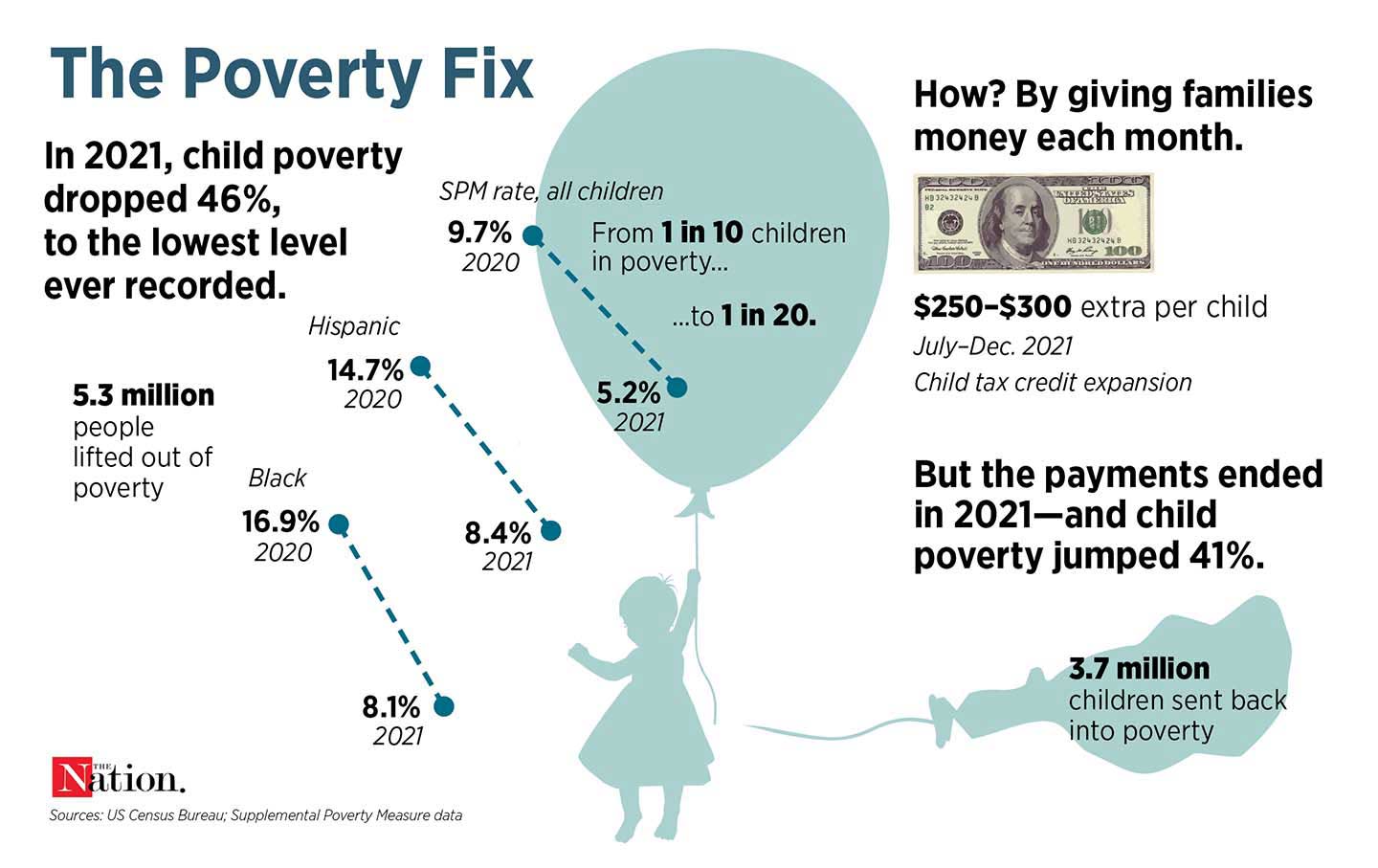
hunger had fallen by 25 percent; families had less food insecurity and fewer medical hardships and were better able to afford their bills. It also allowed more families to remain housed and to stop doubling up in homes. The payments helped reduce the number of babies with low birth weights and increased maternal health. They also improved recipients’ mental health.
id589670886
the money was keeping 3.7 million children out of poverty, a 30 percent reduction in the monthly child poverty rate.
id589669893
Some economists worried that families would hoard or misspend the money, reducing the economic impact of the policy. Instead, they spent it on food, housing, and other things for their children like education.
✏️ Proofs that giving people monetary assistance doesn’t translate to hoarding, misspending, or deincentivizing working.
🔗 View Highlight
id589669869
The payments also ginned up fears that lazy parents would stop working thanks to the influx of government largesse. The alarm was unfounded: A number of studies looked at the question and concluded that the credits did not have an impact on how much or whether people worked. In fact, one study found that the checks actually allowed some parents to work more. They may have been able to afford a new outfit for interviews or gas to get to work